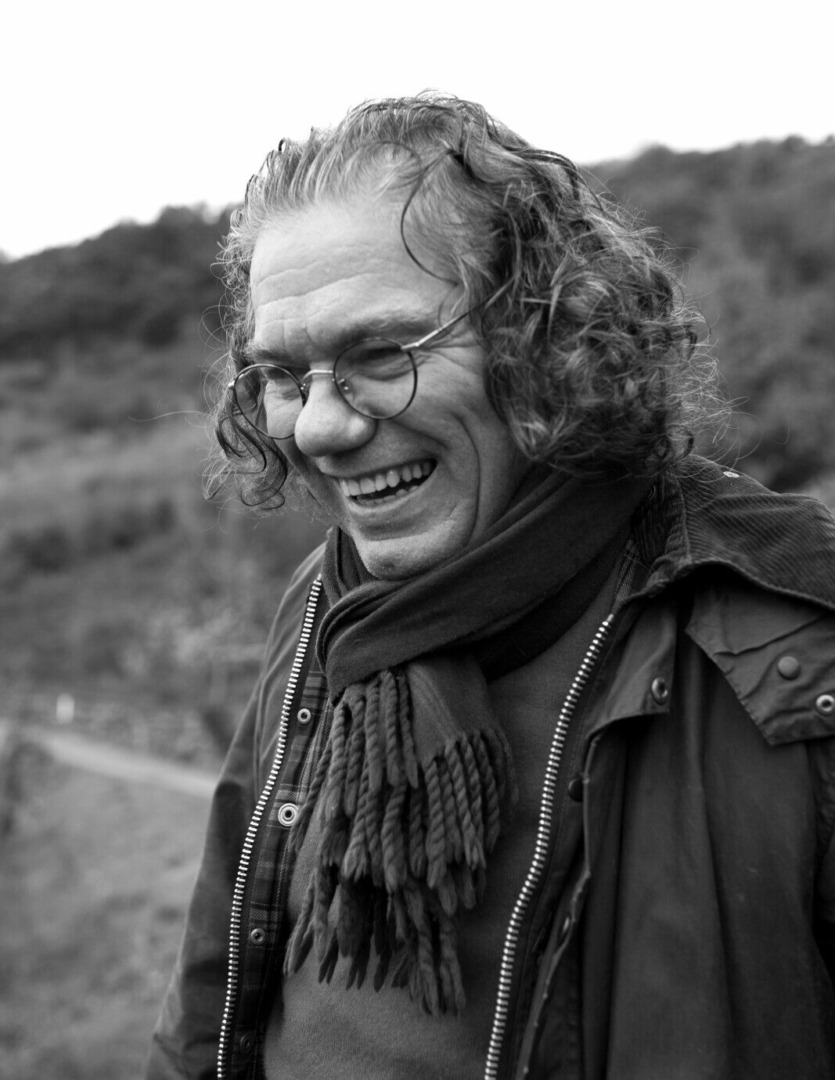
The Dr. Loosen estate has been in the same family for over 200 years. When Ernst Loosen (pronounced loh-zen) assumed ownership in 1988, he realized that with ungrafted vines averaging 60 years old in some of Germany’s best-rated vineyards, he had the raw materials to create stunningly intense, world-class wines.
To achieve this, Ernst dramatically reduced his crop size and stopped all chemical fertilization, preferring only moderate use of organic fertilizers. And, most importantly, he turned to gentler cellar practices that allow the wine to develop its full potential with a minimum of handling and technological meddling.
|
 |
Where can you find a great glass of Riesling this summer? Just about everywhere. It’s the
Summer of Riesling, and nearly 200 restaurants and wine bars across the country are pouring Riesling all summer long to help you explore the balance, complexity, delicacy, longevity and sense of place that make Riesling so special. Find out which restaurants and wine bars in your area are participating, and raise a glass to the world’s greatest grape.
View participants.
Want to learn more about German Riesling? Check out our articles and slide shows at
All About Riesling.
 |
|
|
 |
If you love Riesling and you've always
wanted to visit Australia, mark your
calendar for Feb. 6–7, 2012, and join us
for the Frankland Estate International
Riesling Tasting in Sydney. Guided by
the world-renowned wine writers
Jancis Robinson, OBE, and
Stuart Pigott, the event will
feature comparative tastings of dry and
not-so-dry Rieslings from around the
globe.
The highlight of the two-day event will
be a study of the history of Riesling
with some fine examples of this noble
grape through the ages. For more
information on this and other
international Riesling events, see our
Riesling Coalition press release. |
|
|
 |
The 2010 vintage in Germany was “a complete contradiction,” says Ernst Loosen, of Dr. Loosen (in the Mosel) and J.L. Wolf (in the Pfalz). Dramatic swings in the weather and a fitful growing season led to wildly unusual results. Read Ernst’s
harvest report. |
|
|
|
|